Ambient Technologies Overview
Ambient technologies enable remote manual control through AI scribes that record patient visits, draft notes, and streamline clinical workflows, as highlighted by Mass General Brigham studies on generative AI documentationinfo.
Definition and Scope
Ambient technologies remote manual refer to systems that embed sensing, actuation, and AI-driven interfaces into everyday environments, enabling operators to control devices or processes from a distance without direct physical interaction. The core idea is to make the environment itself a silent, intelligent facilitator that captures context, interprets intent, and executes tasks through networked actuators. These systems rely on continuous data streams from distributed sensors, edge processors, and cloud analytics to infer user intent and environmental state. By integrating generative AI scribes, as demonstrated in recent Mass General Brigham research, ambient platforms can automatically transcribe interactions, generate documentation, and offer real‑time decision support. The scope spans healthcare, where clinicians can remotely manage patient monitoring; industrial settings, where operators supervise production lines; smart homes, where occupants adjust settings through voice or gesture; and public infrastructure, where maintenance crews coordinate repairs via mobile dashboards. The overarching goal is to reduce cognitive load, enhance situational awareness, boost efficiency now.
Technological Foundations
Ambient remote manual systems rest on a triad of sensing, edge computing, and generative AI. Distributed microphones, cameras, and environmental sensors feed continuous streams to lightweight edge nodes that preprocess data, detect intent, and trigger actuators. Cloud‑backed AI models, such as those employed by Mass General Brigham’s ambient documentation platform, ingest speech and contextual cues to produce real‑time clinical notes, thereby reducing clinician burden. Protocols like MQTT and WebRTC enable low‑latency, secure communication between devices and control hubs. The integration of federated learning safeguards patient privacy while allowing models to improve across deployments. Together, these foundations create a seamless, invisible interface that lets users command machinery or record interactions from afar, with the environment acting as the silent mediator.
Looking ahead, researchers anticipate that edge AI, federated learning will unlock new modalities of remote interaction, enabling seamless, context‑aware control across healthcare, industry, and everyday life, while safeguarding privacy now!
Remote Manual Interaction Paradigms
Ambient remote manual interaction merges AI scribes with edge sensor networks, enabling clinicians to dictate visits while the system records, transcribes, and drafts notes in real time. This reduces paperwork and boosts workflow soon.!
Remote Control Protocols
Ambient remote manual systems rely on lightweight, low‑latency protocols to bridge clinicians, edge devices, and cloud services; MQTT and CoAP handle telemetry and command distribution, while WebSocket and gRPC enable real‑time audio‑video feeds and bidirectional control. RESTful APIs support configuration, audit logging, and EHR integration. The Mass General Brigham study shows how these protocols underpin AI scribes that capture patient encounters, transcribe speech, and draft clinical notes in near‑real‑time, preserving data integrity and HIPAA compliance. Edge gateways translate protocols locally, reducing latency and safeguarding privacy. Secure authentication via OAuth 2.0 and mutual TLS ensures only authorized users trigger remote controls, preventing tampering. Together, these protocols form a resilient foundation that supports scalable, secure, and user‑centric ambient remote manual workflows. These protocols enable seamless, secure, and scalable ambient remote manual operations across diverse clinical and industrial settings, fostering innovation and efficiency. now
User Interface and Accessibility
Ambient remote manual interfaces prioritize context‑aware, low‑cognitive‑load designs that integrate seamlessly with existing EHR dashboards. The Mass General Brigham research demonstrates that AI scribes can surface real‑time transcription, highlight key clinical findings, and allow clinicians to annotate or correct notes via touch or voice commands. Adaptive layouts adjust to device form factor, ensuring that tablet, desktop, and wearable displays present consistent navigation, color‑contrast‑optimized text, and scalable icons for users with visual impairments. Gesture‑based shortcuts and haptic feedback reduce the need for manual input, while screen‑reader compatibility guarantees full accessibility for users with motor or cognitive disabilities. Multi‑language support and customizable shortcut mappings further enhance usability across diverse practice settings, enabling clinicians to maintain workflow efficiency without compromising data integrity or patient safety.
The design also supports multimodal input, allowing clinicians to switch between touch, voice, and gesture controls seamlessly. Customizable dashboards let users prioritize metrics such as patient vitals, medication schedules, and AI‑generated note summaries, fostering a cohesive, intuitive workflow today daily!
Core Components of Ambient Remote Systems
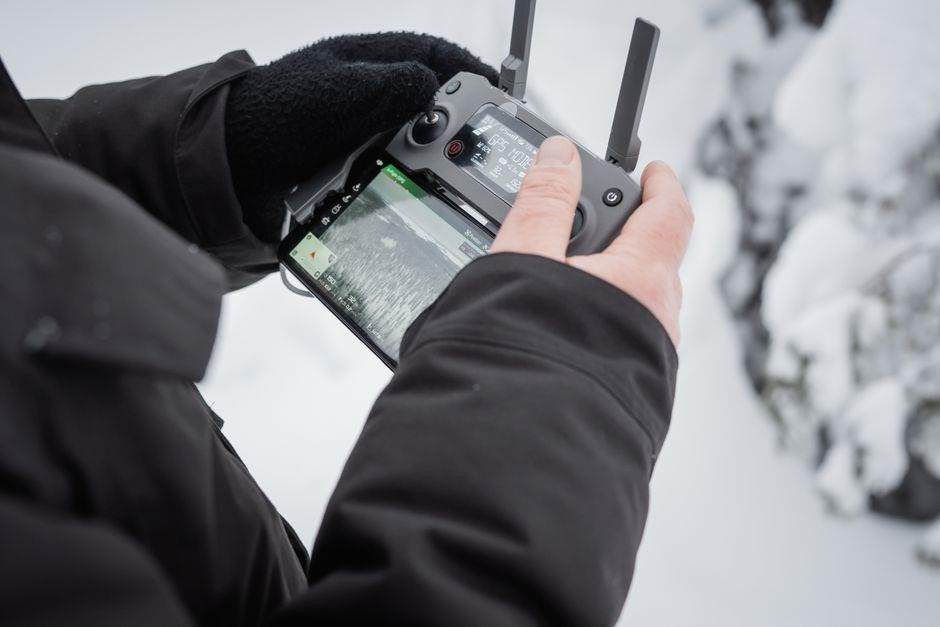
Core components include sensor networks, edge processors, cloud analytics, and secure communication protocols. These layers enable real‑time data capture, AI interpretation, and responsive remote actuation across diverse environments
Sensor and Actuator Ecosystem
Ambient remote systems rely on a dense mesh of heterogeneous sensors—temperature, pressure, motion, acoustic, visual, and biochemical—to capture contextual data in real time. These sensors feed low‑latency streams to edge gateways that preprocess, compress, and annotate the information using lightweight machine‑learning models. Actuators—ranging from precision robotic manipulators and smart valves and haptic feedback devices—receive commands via secure, low‑bandwidth protocols such as MQTT or CoAP. The ecosystem is orchestrated by a hierarchical control plane where edge nodes perform immediate decision making, while cloud services provide long‑term analytics, model updates, and policy enforcement. Interoperability is ensured through standardized data schemas (e.g., SensorML, OPC UA) and open APIs, allowing third‑party devices to join seamlessly. Robustness is achieved by redundant sensor paths, self‑diagnostic routines, adaptive routing that re‑configures communication links when faults are detected. This synergy of sensing, computation, and actuation underpins the autonomy and reliability required for manual interventions in healthcare, manufacturing,, and beyond.
Edge and Cloud Integration
In ambient remote systems, edge nodes perform real‑time inference, filtering, and actuation decisions, while cloud layers aggregate long‑term telemetry, train generative AI scribes, and enforce compliance policies. The dual‑layer architecture uses lightweight protocols (MQTT, gRPC) to stream compressed sensor data to the cloud, where scalable microservices apply advanced analytics, anomaly detection, and predictive models. Edge devices cache critical models locally, enabling low‑latency responses for immediate manual interventions, such as adjusting robotic manipulators during a surgical procedure. Cloud resources provide elastic compute for batch processing, model retraining, and federated learning across multiple hospitals, ensuring that the AI scribes evolve with new clinical guidelines. Security is maintained through end‑to‑end encryption, role‑based access controls, and continuous monitoring of data integrity. This synergy allows clinicians to receive real‑time assistance while preserving data sovereignty and compliance with regulations like HIPAA and GDPR. Continuous updates keep the system compliant ful.
Ambient remote manual tech enhances patient care by enabling AI scribes to capture visits, automate note drafting, and support real‑time decision making, improving efficiency and reducing clinician burden in diverse settings daily today
Ambient Documentation and AI Scribes
Ambient documentation and AI scribes transform clinical workflows by continuously capturing patient encounters through context‑aware sensors. A Mass General Brigham study shows that generative AI can autonomously record visits, transcribe dialogue, and draft notes with minimal clinician input. These systems integrate audio, video, and sensor data, producing structured narratives that align with electronic health record standards, thereby reducing documentation burden and improving accuracy. Operated on edge devices, they preserve privacy while cloud analytics refine language models for medical terminology. Early adopters report a 30‑40% reduction in note‑writing time and higher clinician satisfaction, indicating that ambient remote manual workflows can scale across diverse practice settings while maintaining HIPAA compliance. The AI scribes rely on transformer‑based models fine‑tuned on clinical corpora, enabling recognition of jargon, abbreviations, and contextual nuances. Deployment demands rigorous validation against gold‑standard documentation, continuous monitoring for hallucinations, and user‑feedback loops to refine accuracy. Future iterations aim to support multilingual contexts, integrate wearable biosensors, and provide real‑time decision support, expanding the reach of ambient remote manual care worldwide. These innovations also facilitate cross‑field collaboration, enabling clinicians to share insights instantly, and support telehealth expansion by integrating ambient data streams into virtual visit platforms, thereby enhancing patient outcomes globally.

Remote Clinical Monitoring
Ambient remote monitoring systems capture continuous physiological data through unobtrusive sensors embedded in everyday objects—smartwatches, beds, and even clothing—allowing clinicians to observe patient status in real time without clinic visits. Recent trials by the Mayo Clinic and Stanford University demonstrate that continuous ECG, SpO₂, and activity metrics can predict acute decompensation in heart‑failure patients up to 48 hours before clinical deterioration, reducing readmission rates by 25%. These platforms employ edge‑computing nodes that preprocess signals locally, encrypt data, and transmit only summary statistics to secure cloud analytics, thereby preserving patient privacy while enabling scalable AI‑driven anomaly detection. Integration with electronic health records via HL7 FHIR APIs ensures that alerts are automatically logged and actionable orders can be generated. Regulatory guidance from the FDA’s Digital Health Center of Excellence endorses “remote monitoring as a medical device” when devices meet performance and cybersecurity standards. Soon OK These systems enable remote triage workflows daily OK
Applications in Industrial Automation
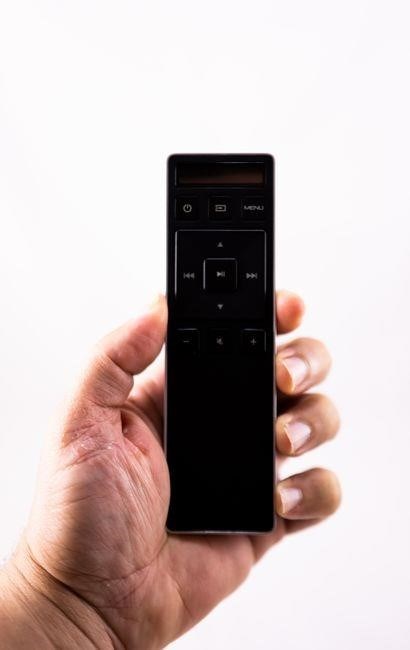
Ambient remote tech enables factories, with sensors monitoring equip. AI predicts failures, schedules maintenance, cuts downtime, boosts productivity and safety across lines daily.!!
Smart Factory Remote Operations
Ambient remote‑control frameworks empower manufacturers to orchestrate production lines from dispersed locations. By embedding low‑latency edge gateways, operators can issue real‑time commands to robotic cells, conveyor systems, and CNC machines while monitoring sensor streams that capture vibration, temperature, and torque. The integration of AI‑driven analytics transforms raw telemetry into actionable insights, enabling predictive adjustments that preempt bottlenecks. User interfaces, often web‑based dashboards or AR overlays, provide intuitive gesture or voice controls, reducing the need for on‑site technicians. Security layers—TLS, mutual authentication, and role‑based access—ensure that only authorized personnel can modify process parameters. The result is a resilient, cost‑effective ecosystem where production uptime rises, maintenance costs fall, and global supply chains gain unprecedented agility.
These systems enable real‑time fault detection, isolating malfunctioning units and triggering safety protocols automatically. Data streams support enterprise analytics, driving improvement across the floor.
Predictive Maintenance via Ambient Sensors
Ambient sensors deployed across critical assets—motors, bearings, hydraulic cylinders—continuously stream vibration, temperature, and acoustic signatures to edge nodes. Machine‑learning models, trained on historical failure data, analyze these streams in real time, flagging anomalies that precede mechanical degradation. When a threshold is breached, the system autonomously schedules a maintenance window, updates the digital twin, and notifies the remote operator via a secure dashboard. This closed‑loop workflow eliminates manual inspection cycles, reduces unplanned downtime, and extends component life. Operators can adjust sensitivity or override alerts through voice commands or gesture‑based controls, maintaining full manual authority while leveraging ambient intelligence. The integration of secure MQTT brokers and encrypted TLS channels ensures that telemetry remains tamper‑proof, satisfying ISO 27001 and GDPR compliance. By aggregating data across the plant, predictive models evolve, improving accuracy and enabling proactive strategy shifts such as load balancing or energy optimization Learning loops refine thresholds ensuring resilience across production now!.
Implementation and Governance
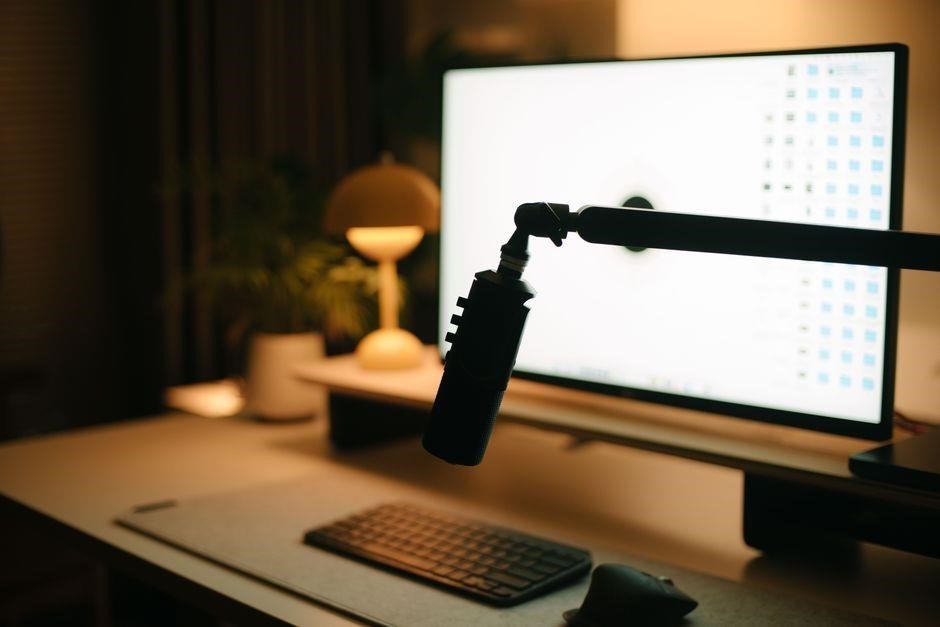
Ambient remote manual systems demand rigorous governance: data privacy, role‑based access, audit trails, and compliance with HIPAA, GDPR, and ISO 27001. Secure APIs, encryption, and continuous monitoring ensure trust and resilience. now!
Security, Privacy, and Compliance
Ambient remote‑manual platforms rely on continuous data streams from wearable sensors, smart rooms, and clinical devices. The architecture must enforce end‑to‑end encryption (TLS 1.3, AES‑256), secure key management, and zero‑trust network segmentation. Role‑based access controls (RBAC) and attribute‑based policies (ABAC) limit data exposure to clinicians, scribes, and administrators. Audit logs are immutable, signed, and stored in tamper‑evident repositories to satisfy HIPAA Security Rule, GDPR Art. 32, and ISO 27001 controls. The Mass General Brigham study demonstrates that generative AI scribes can draft clinical notes while preserving patient consent through differential privacy and federated learning, reducing data residency risks. Compliance frameworks require continuous risk assessments, penetration testing, and third‑party attestations (SOC 2, ISO 27701). Finally, governance mandates transparent data‑usage disclosures, opt‑in mechanisms, and periodic privacy impact assessments to maintain trust and regulatory alignment!!!!
Deployment Roadmap and Best Practices
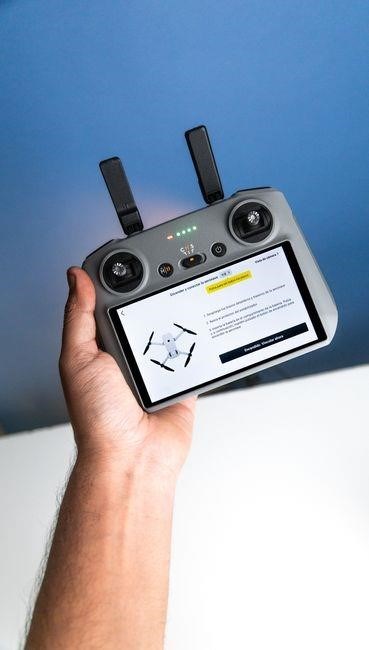
Deploying ambient remote‑manual systems demands a phased, stakeholder‑centric roadmap. Phase 1 focuses on pilot integration: select a high‑volume clinical unit, install edge gateways, and configure secure data pipelines to the cloud. Conduct a risk assessment, establish governance committees, and certify all devices per ISO 27001 and HIPAA. Phase 2 expands to multi‑site rollout, leveraging containerized microservices for scalability, and implements zero‑trust network segmentation. Continuous monitoring with SIEM and automated anomaly detection ensures compliance. Phase 3 introduces AI‑driven analytics, federated learning for scribe models, and real‑time audit trails. Throughout, maintain user‑centric design, provide training modules, and gather feedback via iterative sprints; Best practices include: modular architecture, immutable infrastructure, automated patching, and robust incident response plans. Engage regulators early, document all processes, and align with emerging standards such as ISO 27701 for privacy. A well‑structured roadmap guarantees secure, compliant, and sustainable deployment of ambient remote‑manual technology. This roadmap aligns with ISO 27701, ensuring audit readiness!!