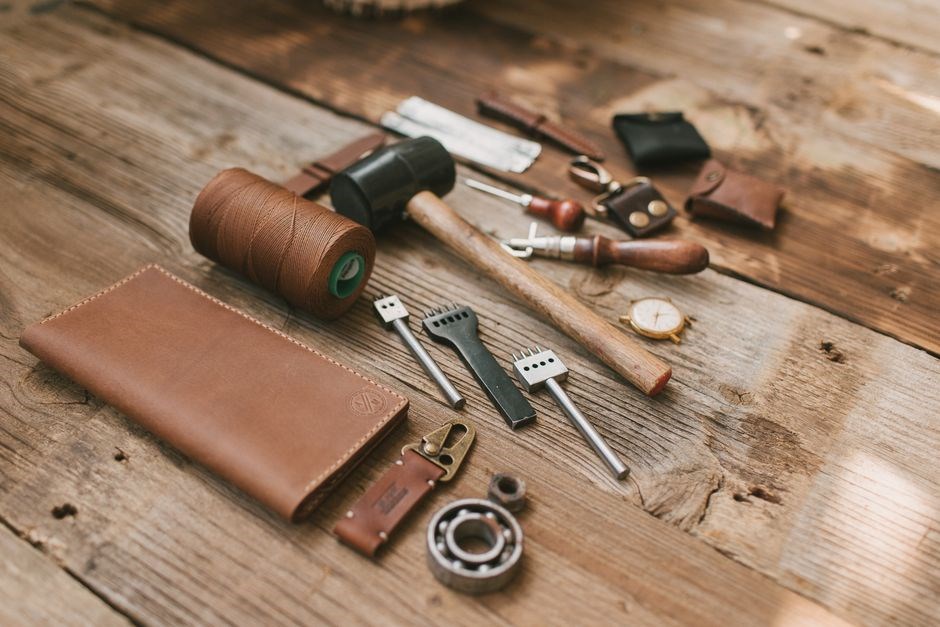
Overview of Free Leather Tooling Patterns
Free leather tooling patterns PDFs offer ready‑to‑print templates for wallets, bracelets, and decorative pieces. They include cutting guides, stamp layouts, and usage examples, enabling beginners to experiment without costly tools. Download from trusted sites, print on A4, and cut precisely.!!!
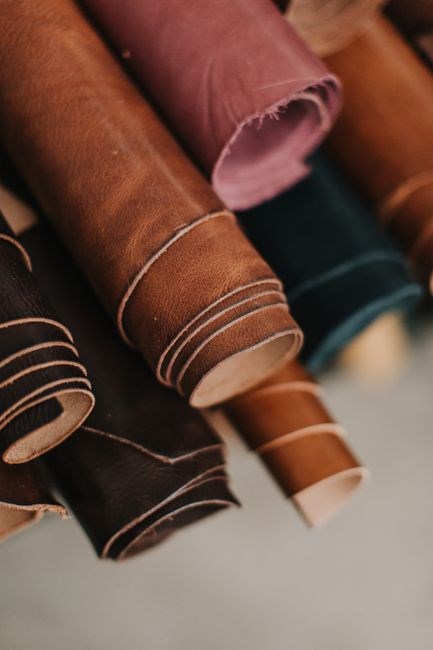
What constitutes a leather tooling pattern PDF
A leather tooling pattern PDF is a digital blueprint that outlines every cut, stitch, and embossing detail required to transform raw leather into a finished product. These files typically contain high‑resolution vector shapes that represent the shape of the leather piece, the placement of tooling marks, and the sequence of cuts. The PDF may also embed a legend that explains the meaning of each stamp symbol, the recommended leather thickness, and the optimal tooling pressure. Some patterns include a layered structure, where the base shape is on one layer and the tooling layout on another, allowing the user to toggle visibility for clearer guidance. Additionally, many free PDFs provide a printable sheet that fits standard A4 paper, complete with a margin for safe cutting. The file is usually tagged for accessibility, enabling screen readers to interpret the content, and may include a metadata such as the author, source, and licensing terms. Users can open the PDF in a vector editor or a PDF viewer, print it, and then trace or cut the template onto leather, ensuring consistent results across multiple projects. Because the PDF is vector‑based, you can scale the template to fit different leather sizes without losing clarity, making it ideal for customizing accessories such as belts, wallets, or keychains. When printing, choose a high‑resolution setting and use a sturdy paper stock to prevent curling, then trim the edges carefully with a sharp blade or a rotary cutter for a professional finish. Enjoy it now!!!!!
Popular Sources for PDF Downloads
Top sites for free PDFs include LeatherCraftTools.com, offering original tooling templates; Elktracks Studio with 150 free patterns; and Makesupply workshop, providing printable designs. All sites provide instant download links after simple registration. Download via secure links after signup fast.
LeatherCraftTools;com original tooling pattern templates
LeatherCraftTools.com offers a curated library of original tooling pattern templates that cater to both novice and seasoned leather artisans. Each PDF is meticulously designed to provide a clear, step‑by‑step visual guide, complete with precise measurements, suggested leather grades, and recommended tooling tools. The templates cover a wide range of projects—from simple wallets and keychains to complex ornamental belts and decorative panels—ensuring that users can find a pattern that matches their skill level and creative vision.
One of the standout features of these templates is the inclusion of detailed cutting diagrams. These diagrams illustrate the exact placement of each cut, the orientation of the leather grain, and the optimal direction for tooling strokes. By following these visual cues, users can achieve consistent, professional results without the need for extensive trial and error. Additionally, the templates often include a “tooling key” that explains the function of each stamp or embossing tool, making it easier for beginners to understand how to apply the patterns effectively.
LeatherCraftTools.com also emphasizes the importance of material selection. Each template lists recommended leather types—such as vegetable‑tanned cowhide, lambskin, or synthetic blends—along with suggested thicknesses and finishes. This guidance helps users choose the right material for their project, ensuring durability and aesthetic appeal. The site’s user interface allows for easy download of the PDFs, and the templates are available in high‑resolution formats that maintain clarity when printed on standard A4 paper.
Beyond the templates themselves, the platform offers a supportive community forum where users can share tips, troubleshoot issues, and showcase finished projects. This collaborative environment encourages continuous learning and skill development. Whether you’re looking to create a personalized wallet, craft a custom belt, or experiment with intricate embossing techniques, LeatherCraftTools.com’s original tooling pattern templates provide a reliable foundation for your leathercraft endeavors.

Types of Leather Patterns Available
Free PDFs feature wallets, belts, keychains, bracelets, decorative panels, and 3D art. Each pattern includes cutting guides, tooling layouts, and material suggestions, enabling creators to choose projects that match skill level and design goals!.
Long wallet / Billfold pattern from Western-6
Western‑6 offers a detailed long‑wallet / billfold tooling pattern in PDF format, ideal for leather artisans seeking a classic, functional accessory. The template includes precise measurements, cut lines, and tooling instructions, enabling users to print on standard A4 paper and cut accurately. After completing the payment, a download link is provided, allowing immediate access to the file. The design features a slim profile with multiple card slots, a cash pocket, and a secure closure, making it suitable for everyday use. Users can customize the pattern by adjusting dimensions or adding decorative tooling, while the PDF layout ensures clarity for both beginners and experienced crafters. The template is compatible with common leather types, such as cowhide, lambskin, and suede, and includes recommendations for stitching and edge finishing. By following the included guidelines, creators can produce a professional‑looking wallet that balances durability with style. This pattern is a valuable resource for those looking to expand their portfolio with a versatile, high‑quality leather product.

Users may also experiment with different tooling stamps, layering colors, or adding embossing to personalize each wallet. The PDF includes a quick‑reference chart for stitch types and recommended leather thicknesses. By printing the template on high‑quality matte paper, artisans can achieve crisp cut lines and a professional finish. Enjoy!!!
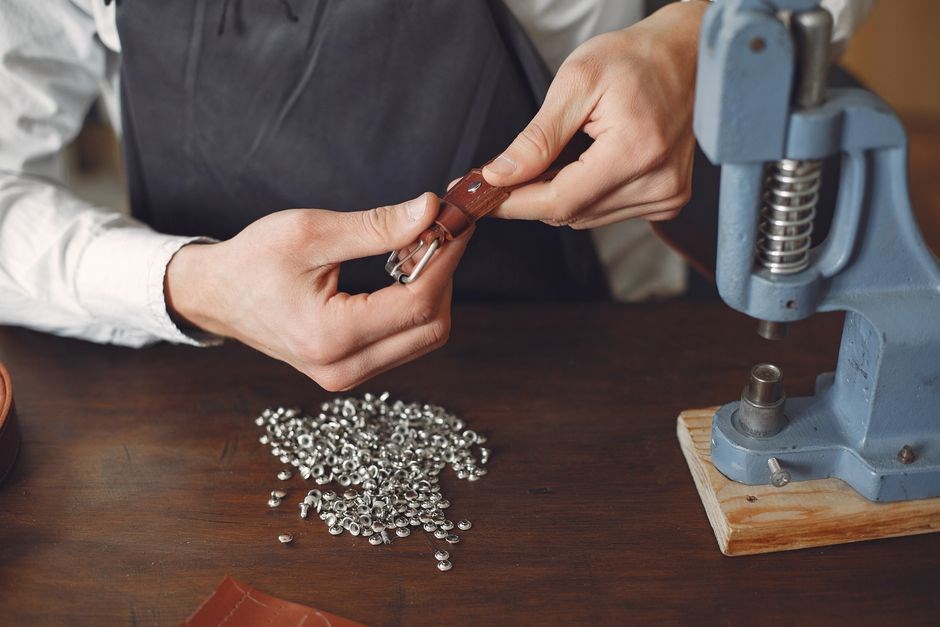
How to Print and Use Patterns
Print the PDF on A4, use matte paper for clean cuts. Align the template, double‑check measurements, then cut with a sharp blade. Trace the pattern onto leather, stitch per instructions, and finish edges. Test fit before final assembly. Enjoy!!! Apply a protective sealant to enhance durability and color
Printing guidelines for A4 paper and cutting
When printing free leather tooling pattern PDFs, choose high‑resolution settings (300 dpi) to preserve fine details. Select “Actual Size” or “Scale 100%” in your PDF viewer to avoid distortion. Use heavy‑weight matte paper (120–150 gsm) to prevent bleed and ensure clean edge cuts. After printing, allow the ink to dry completely before handling.
Place the printed template on a cutting mat and secure it with a light adhesive or masking tape. Use a sharp rotary cutter or a precision craft knife; a dull blade will leave ragged edges. Cut along the outer lines first, then trim internal shapes carefully. For intricate curves, a small‑blade knife or a fine‑pointed scissors works best.
Measure the leather dimensions against the printed template to confirm fit. Mark the leather with a grease pencil or a fabric pen, then cut the leather using the same sharp blade. Keep the cutting surface flat and stable to avoid wobble. After cutting, press the leather edges with a bone folder to smooth the surface.
Finally, test the assembled piece for alignment and comfort. If adjustments are needed, trim the excess leather gently. Store unused patterns flat to avoid creases, and keep the PDF file in a cloud backup for future reference.
When cutting, keep the blade perpendicular to the paper to maintain straight lines. If the leather is thick, use a leather punch to pre‑mark holes before stitching. Always test a small sample piece to confirm the pattern’s accuracy. Once satisfied, proceed with the full project, applying a leather conditioner after stitching to protect the surface.
Legal Considerations for Free PDFs
Free PDF patterns often carry Creative Commons or custom licenses. Verify the license before use; some allow personal use only, others permit commercial projects with attribution. Avoid redistribution without permission, and respect any watermark or copyright notices embedded in the file
Licensing and usage rights for downloadable patterns
When you download a free leather tooling pattern PDF, always check the license that accompanies the file. Many creators use Creative‑Commons licenses, such as CC‑BY, which allow you to use the pattern for personal or commercial projects as long as you give proper attribution. Other licenses, like CC‑BY‑NC, restrict commercial use, meaning you can’t sell items made with the pattern without additional permission. Some sites provide a custom license agreement that may require you to keep the pattern for personal use only, prohibit redistribution, or require a fee for commercial projects. Always read the fine print: look for clauses about modification, derivative works, and redistribution. If the license states “non‑commercial” or “no‑derivatives,” you must not alter the pattern or use it in a product you intend to sell. Some free pattern collections also include a watermark or a copyright notice; removing it without permission is illegal. To stay compliant, keep a copy of the license with your project files, and if you plan to share your finished product online, include a link back to the original source. When in doubt, contact the author or the platform hosting the PDF for clarification. Respecting licensing not only protects you legally but also supports the community of leather artisans who share their designs for free. They are typically distributed as PDF files, allowing hobbyiststo print and cut patternswith office daily equipment.!

Community Resources and Forums
Leather artisans gather on forums like LeatherForum, Reddit r/leathercraft, and Elktracks Studio’s community hub. Members share free PDF patterns, troubleshoot tooling techniques, and swap tips on leather selection. The 150 free downloadable templates empower beginners to experiment without cost. and share.now
Elktracks Studio’s 150 free downloadable leathercraft patterns
Studio curated library of 150 free downloadable leathercraft patterns, spanning from floral motifs to intricate figure carving and leather art. Each PDF is meticulously designed to fit standard A4 paper, complete with precise cutting lines, stitch guides, and tooling instructions. Users can instantly download the files, print them, and begin cutting without the need for expensive templates or specialized software. The collection includes patterns for wallets, belts, keychains, and decorative panels, offering wide range of projects for both novices and seasoned leatherworkers. Community feedback highlights ease of use and high quality of designs, which are updated regularly to reflect new trends and techniques. By providing free access to these resources, Elktracks Studio encourages experimentation, skill development, and creative collaboration within leathercraft community. Whether you are looking to create personalized gift or hone your tooling skills, this extensive set of patterns serves as invaluable starting point for any leather enthusiast
Elktracks Studio also hosts a community forum where users share projects, ask for advice, collaborate on pattern tweaks. The patterns come in PDF, SVG, and DXF formats, ensuring compatibility with cutting tools. Users praise the clear cutting lines and measurements, which help reduce waste and consistency now!! These free resources empower to explore new techniques without. Enjoy! Now! !
Tutorial and Instructional Content
Free printable leather tooling patterns from Makesupply workshop provide step‑by‑step tutorials, video guides, and downloadable PDFs. Users can print on A4, cut, and follow illustrated instructions for carving, stamping, and stitching. Ideal for beginners and pros alike. Master leather skills.now
Free printable leather tooling patterns from Makesupply workshop
MakeSupply, a renowned leathercraft workshop, provides a comprehensive library of free printable leather tooling patterns. Their PDF templates cover a wide range of projects—from simple wallets and billfolds to intricate decorative pieces—each accompanied by clear, step‑by‑step instructions. Users can download the PDFs, print them on standard A4 paper, and cut out the templates with precision. The workshop also offers acrylic templates for advanced carving, small‑batch supplies, and a collection of instructional videos that walk beginners through the fundamentals of leather tooling, stamping, and stitching. All patterns are designed for ease of use, ensuring that even novices can achieve professional results. The free resources are updated regularly, reflecting the latest trends in leather design and technology. Whether you’re looking to create a custom wallet, a personalized bracelet, or a decorative panel, MakeSupply’s free printable patterns provide a solid foundation for your leathercraft projects. The downloadable PDFs are licensed under a Creative Commons Attribution‑ShareAlike, allowing users to adapt and share the designs while giving credit to the original creator. For those who prefer a tactile approach, the workshop also sells high‑quality acrylic templates that can be used to carve detailed motifs directly into leather. These templates are compatible with standard cutting tools and can be used to produce repeatable, consistent results. In addition to the printable patterns, MakeSupply hosts a community forum where enthusiasts can exchange tips, showcase finished pieces, and request custom pattern modifications. The workshop’s commitment to accessibility and education makes it a valuable resource for leather artisans of all skill levels. Explore the free pattern library today and start crafting with confidence. When printing, use high‑resolution settings and ensure the paper is flat to avoid distortion. The templates include scale markers, so you can adjust the size if needed. After cutting, apply a light coat of leather conditioner before tooling to protect the surface. The workshop’s tutorials emphasize proper tension control and safe handling of stamping tools. Users can also download a PDF checklist that outlines the necessary tools and safety precautions. By following these guidelines, you’ll achieve clean cuts and crisp stamped designs. Furthermore, MakeSupply offers seasonal pattern packs that incorporate contemporary motifs such as geometric shapes, botanical illustrations, and abstract art. These packs are available for free download during special events and are updated quarterly. The workshop’s editorial team collaborates with experienced leather artists to ensure each pattern meets industry standards. Users can also request custom pattern modifications by submitting a brief through the website’s contact form. The response time is typically within 48 hours, and the modified PDF is delivered via email. This level of customization makes MakeSupply a go‑to resource for designers seeking unique, personalized leather products.
Future Trends in Leather Tooling PDFs
Emerging AI‑generated pattern libraries, 3D‑printed stamping tools reshape free PDF designs. Makers tweak motifs in real time, preview color gradients, and export vector files for laser cutting, expanding creative horizons. Future 3D embossing tech!!
Integration of 3D leather art and figure carving patterns
Free PDF patterns are evolving beyond flat designs; artisans now incorporate 3‑D embossing and sculptural carving into downloadable templates. By layering multiple cut‑outs and using raised stamp sections, makers can create depth, shadows, and realistic textures. Many open‑source libraries provide vector layers that can be imported into CAD or 3‑D modeling software, allowing users to preview how a pattern will look when carved into a curved surface. The rise of affordable laser cutters and CNC routers means that a simple PDF can be transformed into a precise cutting file, enabling complex figure carving with minimal hand‑tool skill. Additionally, community forums share tutorials on combining traditional hand‑stamping with machine‑cut outlines, offering step‑by‑step guides for beginners. The integration of 3‑D art also encourages experimentation with leather grades—soft, medium, and heavy—each responding differently to embossing pressure. Finally, designers are exploring hybrid projects that mix leather with other materials such as polymer clay or resin, using the same PDF templates as a base for mixed‑media sculptures. These developments democratize advanced leathercraft, making intricate 3‑D designs accessible to hobbyists worldwide.