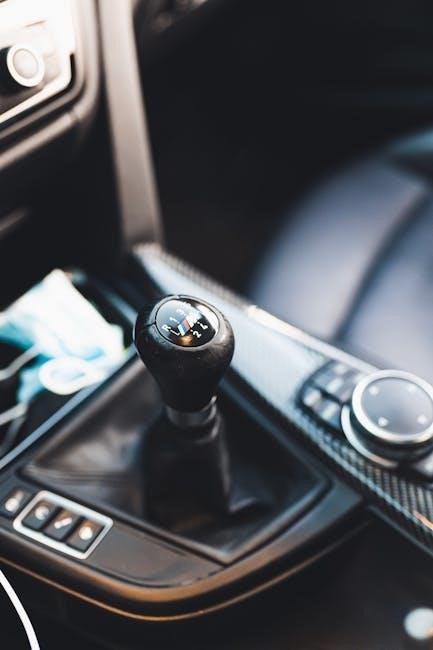
Manual Transmission Driving Lessons NJ: A Comprehensive Guide
Navigating the world of manual transmission driving lessons in New Jersey requires careful consideration; explore options for training, pricing, and road test preparation․
Understanding the Demand for Manual Transmission Lessons
Despite the increasing prevalence of automatic transmissions, a consistent demand for manual transmission lessons persists in New Jersey․ This demand stems from several factors, including a desire for greater vehicle control, a preference for the driving experience, and potential cost savings related to vehicle purchase and maintenance;
Many drivers, particularly those with experience operating manual vehicles internationally, seek to obtain a New Jersey driver’s license with a manual endorsement․ Others are simply interested in learning a new skill and expanding their driving capabilities․ The availability of lessons, though potentially limited, indicates a sustained interest in mastering this traditional driving method․ Some individuals also appreciate the enhanced fuel economy often associated with manual transmissions․
Why Learn to Drive a Manual Transmission in NJ?
Learning to drive a manual transmission in New Jersey offers several distinct advantages․ Drivers gain enhanced vehicle control, fostering a deeper connection with the driving experience․ Manual transmissions often result in improved fuel economy, potentially saving money on gas costs over time․ Furthermore, mastering a manual can broaden driving options, particularly when renting vehicles or traveling abroad where manual cars are more common․
For some, it’s about preserving a driving skill that’s becoming increasingly rare․ The ability to operate a manual transmission can also be beneficial for those who enjoy the engagement and responsiveness it provides․ While not strictly necessary for obtaining a license, it’s a valuable skill to possess, offering a unique and rewarding driving experience․
Finding Reputable Driving Schools in New Jersey
Locating a trustworthy driving school specializing in manual transmission instruction in New Jersey requires diligent research․ Begin by seeking recommendations from friends, family, or online reviews․ Verify the school’s licensing and accreditation with the NJ Motor Vehicle Commission․ A reputable school will have experienced, certified instructors and a well-maintained fleet of vehicles․
Consider schools offering comprehensive training programs, including both in-class instruction and behind-the-wheel practice․ Don’t hesitate to inquire about their curriculum, student-to-instructor ratio, and lesson scheduling flexibility․ Reading online testimonials can provide valuable insights into other students’ experiences․ Prioritize schools that emphasize safety and defensive driving techniques․
Specific Locations Offering Manual Lessons (Edison, NJ Focus)
Edison, New Jersey, serves as a hub for several driving schools providing manual transmission lessons․ Many schools cater to learners seeking to master stick shift driving, with options for one-on-one instruction․ Several providers specifically mention offering these lessons, often emphasizing a quick learning curve – some claim proficiency in a single day․
Researching local options reveals varying levels of experience and specialization․ It’s crucial to confirm whether a school actively offers manual training, as availability can fluctuate․ Checking online directories and contacting schools directly will yield the most current information regarding lesson availability and scheduling in the Edison area․
Lesson Pricing and Packages
Driving schools in New Jersey offer diverse lesson pricing and packages for manual transmission training․ A standard lesson typically costs around $120, providing foundational skills like starting, stopping, and first gear operation․ More comprehensive packages, such as a 6-hour prelicensing course, are priced around $480, offering extended instruction․
Defensive driving courses, potentially relevant for manual learners, can range from $120 per hour․ Some schools offer tiered packages – “The Basics” at $199 and “The Standard” at $299 – building skills progressively․ Always inquire about potential additional training fees and confirm what each package includes to ensure value for your investment․
Standard Lesson Costs
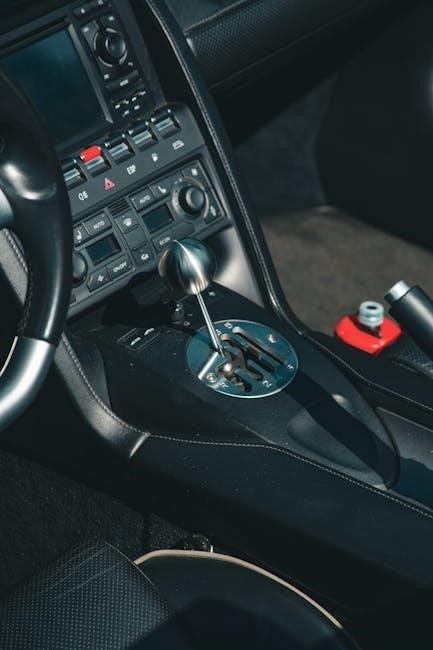
Standard driving lessons focusing on manual transmission in New Jersey generally average around $120 per single session․ This foundational instruction typically covers the core mechanics of operating a stick shift – safely starting the vehicle, smoothly engaging first gear, and mastering controlled stops․ These lessons aim to build initial confidence and basic operational competence;
However, prices can fluctuate slightly between different driving schools․ Some schools may offer introductory discounts or package deals that reduce the per-lesson cost․ It’s crucial to confirm exactly what’s included in a “standard” lesson – duration, vehicle type, and instructor qualifications – before committing to a purchase․
6-Hour Prelicensing Course Pricing
New Jersey’s mandatory 6-hour prelicensing course, a crucial step towards obtaining a driver’s license, typically costs around $480 when specifically tailored for manual transmission vehicles․ This course expands beyond basic operation, incorporating defensive driving techniques and comprehensive knowledge of NJ traffic laws․ It’s designed to prepare students for both the written knowledge test and the practical road test․
While the average price is $480, some driving schools may offer variations based on class size or included materials․ It’s advisable to inquire about any additional fees, such as registration costs or textbook expenses․ Completing this course is a prerequisite for scheduling your NJ road test, so budgeting accordingly is essential․
Defensive Driving Course Costs (Related to Manual Training)
A Defensive Driving Course in New Jersey, while not a direct substitute for the required 40 hours of training, can significantly enhance skills for manual transmission drivers․ The cost typically ranges around $120 per hour, though package deals may be available․ These courses emphasize hazard perception, collision avoidance, and responsible driving habits, proving invaluable when navigating challenging situations with a stick shift․
Although not always mandatory with manual training, completing a defensive driving course can potentially lead to insurance discounts․ It’s crucial to verify with your insurance provider regarding eligibility․ Remember, a defensive driving course complements, but doesn’t replace, the core manual transmission instruction and the 6-hour prelicensing requirement․
What to Expect During Your First Lesson
Your inaugural manual transmission lesson in New Jersey will prioritize foundational skills․ Expect a thorough vehicle familiarization, covering the clutch, gear stick, and pedal arrangement․ The instructor will explain the mechanics of shifting gears and demonstrate proper techniques․ You’ll likely begin in a controlled environment, practicing starting, stopping, and finding first gear repeatedly․
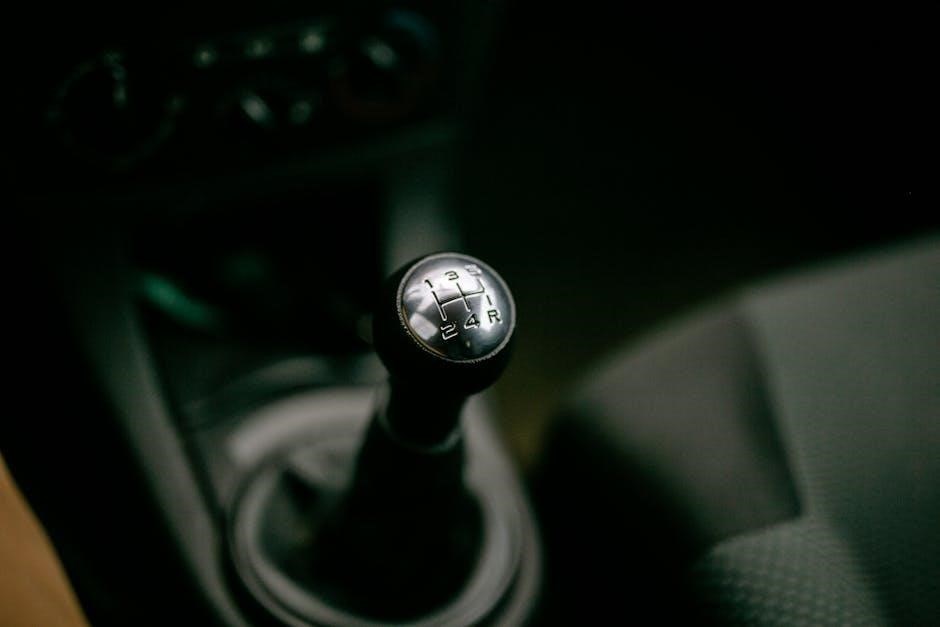
Don’t be surprised if the initial focus is solely on clutch control and preventing stalling․ The goal isn’t immediate proficiency, but building muscle memory and understanding the coordination required․ Expect patient guidance and constructive feedback․ Prepare to ask questions and embrace the learning curve – it’s a crucial first step towards mastering a manual vehicle!
The Basics: Starting, Stopping, and First Gear
Mastering the initial steps – starting, stopping, and engaging first gear – forms the bedrock of manual transmission driving․ Expect dedicated practice to coordinate the clutch, gas pedal, and gear selector․ The instructor will emphasize finding the “friction point” of the clutch to prevent stalling, a common challenge for beginners․
Smoothly transitioning from a standstill requires precise timing and gentle pressure․ Stopping involves downshifting to neutral and applying the brakes, avoiding abrupt halts․ First gear is your launching pad, used for initial acceleration from a complete stop․ Expect repetition; building muscle memory is key․ Safely operating a manual vehicle begins with these fundamental skills․
Moving Beyond the Basics: Shifting Gears Smoothly
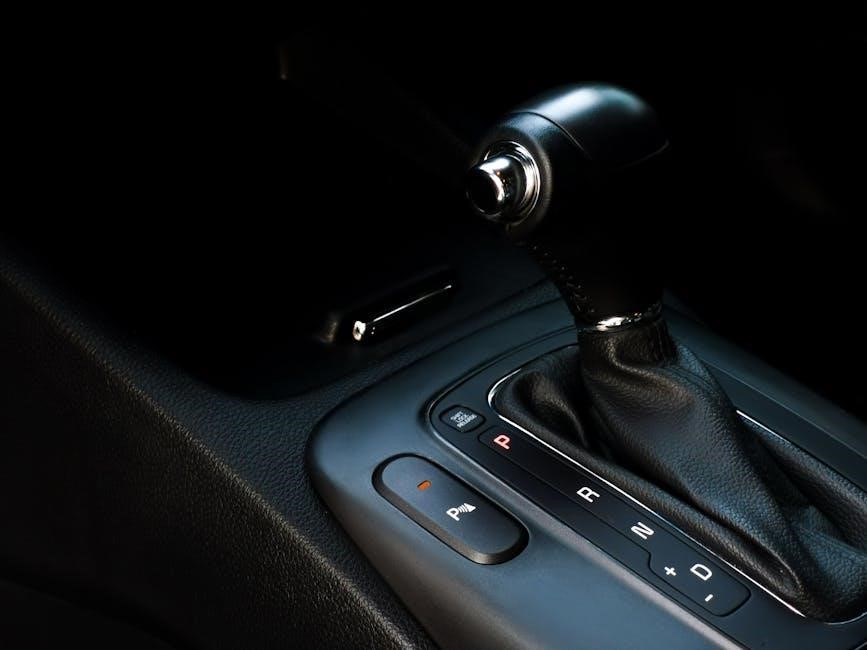
Once comfortable with starting and stopping, the focus shifts to seamless gear changes․ This involves coordinating clutch engagement, throttle control, and precise gear selector movements․ Instructors will guide you through upshifting and downshifting techniques, emphasizing the importance of matching engine speed to vehicle speed․
Smooth transitions prevent jerking and maintain vehicle momentum․ Learning to anticipate gear changes based on speed and road conditions is crucial․ Practice makes perfect; consistent repetition builds muscle memory and improves coordination․ Mastering this skill is essential for efficient and enjoyable manual driving, ensuring a comfortable ride․
Hill Starts: A Common Challenge for New Drivers
Hill starts present a unique challenge for those learning manual transmission․ Preventing rollback requires precise coordination between the clutch, handbrake, and throttle․ Instructors will demonstrate techniques like the “heel-toe” method or utilizing the handbrake to hold the vehicle stationary․
The goal is to smoothly transition from brake to throttle without losing control․ Mastering this skill builds confidence and prevents potentially dangerous situations․ Expect dedicated practice on inclines of varying steepness․ Consistent repetition and instructor feedback are key to overcoming this hurdle․ Successful hill starts demonstrate a strong grasp of clutch control and vehicle dynamics․
NJ Driver’s Manual Resources
Accessing the official NJ Driver Manual is crucial for understanding state-specific driving laws and procedures, particularly regarding manual transmission vehicles․ The manual is available for download from the NJ Motor Vehicle Commission website, offering comprehensive guidance for prospective drivers․
Review sections detailing clutch operation, gear shifting, and hill starts․ Familiarize yourself with diagrams illustrating the manual transmission system․ Downloadable forms for 16-year-old drivers are also readily available․ Thoroughly studying the manual complements practical lessons and prepares you for the NJ road test․ It’s a vital resource for safe and informed driving․
Downloading the Official NJ Driver Manual
Obtaining the official New Jersey Driver Manual is straightforward․ Visit the NJ Motor Vehicle Commission’s website to access and download the document in PDF format․ This resource is freely available to all prospective drivers, providing essential information for passing both the knowledge and road tests․
The manual covers a wide range of topics, including traffic laws, safe driving practices, and vehicle operation․ Specifically, focus on sections detailing manual transmission controls and techniques․ Having a digital copy allows for convenient study on various devices․ Regularly check the website for the most up-to-date version, ensuring you have the latest regulations․
Relevant Sections for Manual Transmission Operation
Within the NJ Driver Manual, several sections are crucial for mastering manual transmission driving․ Pay close attention to the chapters detailing vehicle controls, specifically the clutch, gearshift, and accelerator․ Understand the coordination required for smooth gear changes and avoiding stalling․
Review the sections on hill starts, as these present a unique challenge for new manual drivers․ Familiarize yourself with proper braking techniques and how to use the handbrake effectively․ The manual also outlines safe shifting procedures for various driving conditions․ Thoroughly studying these sections will significantly enhance your understanding and confidence behind the wheel․
Required Training Hours in New Jersey
New Jersey mandates a minimum of 40 hours of behind-the-wheel training for all new drivers under 21, regardless of transmission type․ This requirement ensures sufficient practice and skill development before obtaining a driver’s license․ While the state doesn’t specifically dictate a separate hour requirement solely for manual transmission, mastering it will likely necessitate additional practice beyond the minimum․
Many driving schools recommend extra hours for those learning stick shift, as it demands greater coordination and control․ Completing a defensive driving course can sometimes fulfill a portion of the training requirement, but it doesn’t replace the need for dedicated manual driving practice․
The 40-Hour Training Requirement Explained
New Jersey’s 40-hour driver training requirement is designed to build confident and safe drivers․ It’s broken down into segments: a minimum of 6 hours of professional instruction with a licensed driving school, and 34 hours of supervised driving with a licensed driver 21 or older․ For manual transmission learners, this 40-hour baseline might not be enough․
The professional portion focuses on fundamental skills and NJ traffic laws․ The supervised driving allows practice in diverse conditions․ Students learning stick shift often require additional hours to comfortably master clutch control, shifting, and hill starts․ Documenting these hours accurately is crucial for licensing․
Defensive Driving Course Requirements
New Jersey requires a Defensive Driving course for new drivers, though it isn’t a substitute for the mandated 40 hours of training․ While not specifically tailored to manual transmission, the course emphasizes hazard perception, collision avoidance, and responsible driving habits – skills vital for all drivers, especially those mastering a stick shift․
The course typically costs around $120 per hour, and completion can potentially lead to insurance discounts․ It’s particularly beneficial for new manual drivers as it reinforces safe practices alongside the technical skills of operating a standard transmission․ A defensive mindset complements the increased driver engagement required by a manual vehicle․
The NJ Road Test and Manual Transmissions
Successfully passing the NJ road test with a manual transmission vehicle demands proficiency in smooth gear changes, controlled hill starts, and confident maneuvering․ Examiners assess your ability to operate the vehicle safely and efficiently, focusing on clutch control and preventing stalling․ Expect standard test elements – turns, lane changes, and parking – performed with a stick shift․
Common mistakes include excessive stalling, jerky shifts, and improper use of the clutch․ Thorough preparation through dedicated lessons is crucial․ Remember to demonstrate consistent control and awareness of your surroundings․ Practicing in varied traffic conditions will build confidence and prepare you for the test’s challenges․
What to Expect on the Road Test with a Manual Vehicle
During the NJ road test in a manual vehicle, prepare for a comprehensive evaluation of your driving skills․ The examiner will assess your ability to start, stop, and shift gears smoothly without stalling․ Expect instructions involving turns, lane changes, merging onto highways, and parallel parking – all executed with a stick shift․
Be ready to demonstrate proper clutch control, especially during hill starts․ Examiners look for consistent vehicle operation and safe driving habits․ Anticipate potential scenarios requiring quick gear changes․ Maintaining composure and demonstrating confidence are key․ Remember to utilize your mirrors and signals effectively throughout the test․
Common Mistakes to Avoid During the Test
To successfully pass your NJ road test with a manual transmission, avoid frequent stalling – practice smooth clutch and throttle coordination․ Neglecting to check mirrors and signal before maneuvers is a significant error․ Improper gear selection for speed and road conditions will also result in points off․
Hesitation at intersections or failing to yield the right-of-way are critical mistakes․ Don’t rush; maintain a safe speed and demonstrate control․ Avoid riding the clutch, as this indicates poor technique․ Remember to fully engage the parking brake during hill stops․ Finally, demonstrate confidence and follow examiner instructions precisely․
Additional Training Fees and Costs
Beyond the standard lesson and package pricing, anticipate potential extra charges․ Some schools may levy fees for rescheduling lessons with short notice․ Weekend or evening appointments often incur a premium․ If you require additional practice hours beyond your initial package, expect to pay per-hour rates, typically around $120․
Defensive driving course fees are separate and may be required for certain licensing scenarios․ Remember that a defensive driving course isn’t a substitute for the 40-hour training requirement․ Providers may also charge administrative fees or for use of their vehicle during the NJ road test․ Always clarify all potential costs upfront․
Understanding Potential Extra Charges
Be prepared for potential costs beyond the advertised lesson rates․ Driving schools may impose fees for cancellations made with insufficient notice, often within 24-48 hours․ Utilizing the instructor’s vehicle for the NJ road test typically involves an additional fee, covering wear and tear and insurance․
Furthermore, some schools charge extra for pick-up and drop-off locations outside a designated radius․ Weekend and evening lessons frequently carry a surcharge due to increased demand․ Always inquire about potential administrative fees or charges for extending lesson durations․ Thoroughly review the school’s policy on extra charges before committing to a package․
Value for Money: Assessing Driving School Quality
Determining true value extends beyond the lowest price point when selecting a manual transmission driving school in NJ․ Consider the instructor’s experience and qualifications – a seasoned professional can accelerate learning․ Read online reviews and testimonials to gauge student satisfaction and identify consistent strengths or weaknesses․
Evaluate the school’s fleet; well-maintained vehicles contribute to a safer learning environment․ A comprehensive curriculum covering all aspects of manual driving, from basic operation to advanced techniques, is crucial․ Don’t hesitate to ask about the instructor-to-student ratio; smaller classes often allow for more personalized attention․ A slightly higher price may be justified by superior instruction and resources․
Benefits of Manual Transmission Driving
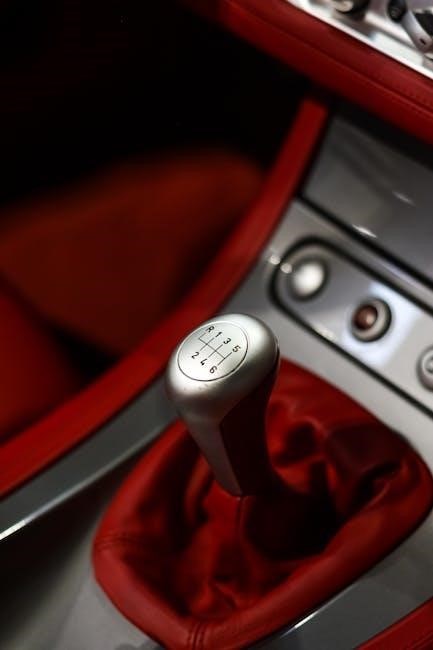
Mastering a manual transmission offers several advantages beyond simply expanding your driving skillset․ Historically, manual vehicles often deliver improved fuel economy due to their direct mechanical connection, though modern automatics are closing the gap․ Drivers gain enhanced vehicle control, fostering a more engaging and connected driving experience․
Learning to drive a stick shift can also be a valuable skill in emergency situations or when access to an automatic vehicle is limited․ Some enthusiasts argue that manual transmissions deter distracted driving, requiring greater driver focus․ While the future leans towards automatics, the benefits of manual control and understanding remain relevant for many drivers in NJ․
Fuel Economy and Vehicle Control
Traditionally, manual transmission vehicles were known for superior fuel efficiency, stemming from a more direct power transfer and reduced energy loss compared to automatics․ While advancements in automatic transmission technology have narrowed this gap, a manual can still offer a slight edge in certain driving conditions․
Beyond fuel savings, manual transmissions provide drivers with a heightened sense of vehicle control․ The ability to select specific gears allows for precise engine speed management, beneficial for navigating varied terrain or optimizing performance․ This direct connection fosters a more engaging driving experience, appealing to enthusiasts who value control and responsiveness on NJ roads․
The Future of Manual Transmissions
Despite a decline in overall sales, the manual transmission isn’t disappearing entirely, particularly within the enthusiast community in New Jersey․ While manufacturers are increasingly focusing on automatic and electric vehicle development, a niche market continues to demand the engaging driving experience a manual provides․
However, the long-term outlook remains uncertain․ Factors like the rising popularity of electric vehicles and advancements in automatic transmission efficiency pose challenges․ Learning to drive a manual now offers a unique skill and appreciation for automotive mechanics, even as its prevalence diminishes․ Continued availability of lessons will depend on sustained demand and driving school investment․